Most homeowners notice a leak when the damage is already visible: warped flooring, a discolored ceiling, or a spike on the water bill. That late discovery costs more than the repair itself. Routine inspections by a qualified plumber in Sandpoint prevent many of those surprises. They are a small, predictable expense that interrupts an accumulating cascade of damage — and when you factor in local weather, old piping, and the wear of everyday use, the savings become undeniable.
Why inspections matter in Sandpoint
Sandpoint sits at the intersection of mountain runoff, freezing winters, and an aging housing stock in many neighborhoods. Cold snaps create repeated freeze-thaw cycles, which stress pipes and fittings. Ground movement during spring thaw can shift buried lines. Mineral content in local water contributes to scale and corrosion over years. An inspection that looks for these specific, local risks catches slow failures long before they become emergencies. When a plumber company in Sandpoint performs a thorough check, they are not just looking for a single bad valve; they are reading the plumbing system like an x-ray that tells the story of what will fail next.
A simple example: a homeowner in Cocolalla reported intermittent low water pressure that began as a mild annoyance. A visual inspection and flow test from a plumber Sandpoint crew revealed scale build-up at the main shutoff and a partially collapsed section of old galvanized pipe under the crawlspace. The plumber replaced the damaged section and installed a pressure regulator. The upfront expense for targeted replacement was modest compared with the alternative — a sudden collapse under high use, which would have flooded the crawlspace and required mold remediation and structural repairs that would have exceeded the original repair by several thousand dollars.
What inspectors look for, and why each item saves money
A full inspection is part detective work, part preventive maintenance. Professionals check both visible fixtures and hidden components, and they run diagnostic tests that reveal inefficiencies.
- visual condition of exposed pipes and fittings: hairline leaks and corrosion spots that are cheap to fix early. water pressure and flow tests: high pressure shortens the life of fixtures and increases the likelihood of pinhole leaks; low pressure often signals blockages that will worsen. water heater inspection: sediment, failing thermostats, and corroded anode rods reduce efficiency and can lead to sudden failures. drainage and venting evaluation: slow drains are an early warning of blockages that, if ignored, cause backups requiring extensive work. sewer camera inspection of main lines: tree roots or collapsed sections can be caught and addressed with targeted repairs instead of wholesale replacement.
Catching a corroded elbow or faulty trap before it turns into a leak can save hundreds. Discovering root intrusion in a main sewer before it collapses saves thousands and avoids the nuisance and health risk of a backup. Replacing a failing water heater on a controlled schedule lets you plan and shop for an efficient model rather than pay premium emergency rates.
How often should you schedule inspections?
Frequency depends on age and condition of the home, recent repairs, and local factors. For most Sandpoint homes, an annual inspection is a sound baseline. Homes with older pipes, finished basements, or a history of leaks benefit from inspections every six months. Newer construction or recently fully replaced systems often do fine with annual checks for the first few years. If you rent out a property, inspect at tenant turnover and at least once annually, because tenants may not report slow Plumbing in Sandpoint Idaho changes until a problem is visible.
An inspection schedule delivers predictable costs, which makes budgeting easier. It also allows a plumber in Sandpoint to spot trends across visits. When a plumber company in Sandpoint sees a gradual increase in water usage on quarterly bills, for example, they can correlate that to minute leaks and suggest early intervention, usually at a fraction of the cost of repairing consequential damage.
Concrete numbers that make the case
Numbers help frame decisions. Exact costs vary, but these ranges reflect common scenarios:
- a basic annual plumbing inspection: often between $100 and $250, depending on the depth of testing and the property size. small leak repair under a sink or at a fitting: $150 to $400, typically completed within an hour. water heater replacement when scheduled: $800 to $2,500 depending on tank size, efficiency, and installation complexity. emergency flood response and repairs after an undetected leak: easily $3,000 to $10,000 when you factor mold remediation, subfloor replacement, and drywall repairs. sewer line repair after sudden collapse: $2,500 to $15,000 based on access, length, and whether trenchless methods are possible.
Consider a hypothetical: a neglected 40-gallon water heater with a failing anode rod loses efficiency and builds sediment. Annual inspections would note the weakened anode and rising sediment levels, prompting replacement or flushing that costs a few hundred dollars. Without inspection, the heater might fail catastrophically, flooding a basement and necessitating a new heater, new flooring, and mold removal. The difference between a planned $400 service and an unplanned $6,000 disaster is the inspection.
Trade-offs and honest judgment
No strategy is perfect. Inspections cost money and require time and access. Not every inspection will lead to an obvious immediate repair, and that can create tension if homeowners want immediate savings. The right balance is to pick a risk profile. If your pipes were replaced within the last five years and you have a water quality filter, annual inspections can focus on preventative checks rather than full-scale diagnostics. If your property has original plumbing, is surrounded by mature trees, or experiences cold basements, a more aggressive schedule makes economic sense.
Another trade-off is partial DIY versus professional inspections. Homeowners can check visible pipes, run faucets, and look for stains. Those tasks find many issues, but they miss hidden threats: small leaks in walls, blockages in sewer mains, or failing pressure regulators. A plumber in Sandpoint brings diagnostic tools, like pressure meters and sewer cameras, plus experience interpreting subtle signs. The cost of a professional inspection is often less than the opportunity cost of a missed early failure.
What to expect during an inspection
A systematic inspection is efficient. A skilled plumber typically starts at the main shutoff and works through fixtures, water heater, sump pump if present, drainage, and sewer access. They look, listen, and measure. Expect tests for water pressure, a quick heating exchange check for the water heater, and a brief review of visible insulation and pipe supports. If the inspector suspects sewer issues, they may suggest a camera inspection for the main line. That adds cost, but it provides clear evidence of tree roots, offsets, or deterioration.
Clear communication is crucial. A good plumber company in Sandpoint will present a prioritized list of findings, separating urgent items from recommended maintenance. Urgent items demand immediate action to avoid damage. Recommended maintenance improves efficiency and longevity. A transparent estimate will include labor, parts, and options for less invasive versus more permanent fixes.
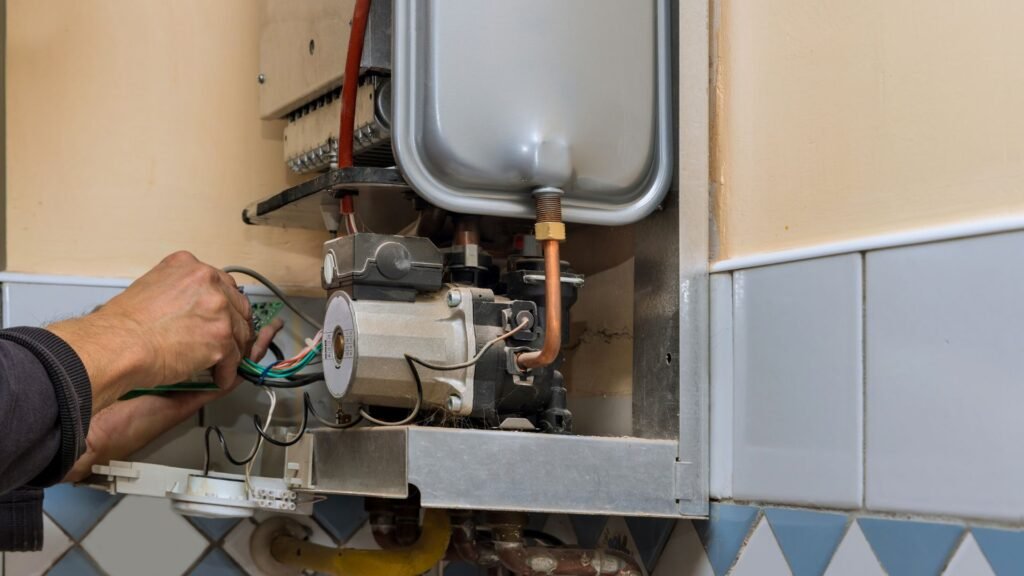
A short checklist you can expect during a typical annual inspection
- verify main shutoff operation and examine for corrosion or leaks at the meter and service line. test water pressure and check for pressure regulator functionality. inspect water heater for leaks, corrosion, anode rod condition, and evidence of sediment. probe under sinks, around toilets, and at exposed drains for slow drainage, leaks, or compromised seals. recommend a sewer camera inspection if there are recurring backups, unusually slow drains throughout the house, or mature trees near the sewer line.
Preventive fixes that pay for themselves
Several modest investments discovered through inspections have outsized returns.
Replacing a failing shutoff valve costs a few hundred dollars, but it ensures you can isolate a problem without shutting off the whole house. Installing a pressure regulator when high pressure is found protects fixtures and reduces the frequency of leaks. Flushing a water heater removes sediment and can restore several percentage points of efficiency, lowering monthly gas or electric bills. Replacing a worn anode rod extends the life of the water heater at minimal cost. Replacing short sections of older galvanized pipe prevents future corrosion failures that are more complex to repair.
Sewer camera inspections deserve their own mention. They typically cost a few hundred dollars but can reveal a small root intrusion that a plumber can remove with a power auger or localized repair. Catching that early avoids a main line collapse that would require excavation work and possibly repaving driveways, an outcome that multiplies the cost quickly.
Seasonal considerations for Sandpoint homeowners
Freezing temperatures and heavy precipitation create seasonal risk. Inspect before winter to ensure outdoor spigots are properly drained and insulated, and to confirm that any in-ground irrigation lines are winterized. Inspect in spring after thaw to check for ground movement around buried pipes and to re-evaluate sump pump operation ahead of potential runoff. A pump that runs inconsistently or makes new noises signals a bearing or float switch problem, both cheaper to fix proactively than to allow a basement flood.
For homes on wells, inspections should include testing pressure tanks, checking for rust and microbial growth, and measuring well pump performance. Problems with a well pump often present as fluctuating pressure or sudden drops; diagnosing these early prevents complete pump failure and well service calls on weekends when immediate replacements cost more.
Choosing the right plumber in Sandpoint
Not all plumbers are alike. Look for technicians who carry local references, who can explain findings in plain language, and who offer prioritized estimates rather than pressure to do every recommended item at once. A plumber company in Sandpoint that has been in the community understands neighborhood idiosyncrasies: common pipe types, typical ages of water heaters in local subdivisions, and how the climate affects different foundations. That local knowledge matters when planning preventive work.
Ask about warranties and maintenance plans. Some companies offer annual maintenance agreements that package inspections with discounts on repairs and priority service. Those plans are especially valuable for rental properties and older homes, where predictable response times limit tenant disruption and protect long-term value.
Why routine inspections support resale value
When you plan to sell, a history of regular inspections and documented repairs reassures buyers. It shows the home was actively managed rather than passively neglected. A potential buyer and their inspector will appreciate invoices and reports from a respected plumber. That documentation can reduce contingencies, shorten inspection negotiations, and support a stronger asking price. In practical terms, spending a few https://callbelieveplumbing.com/ hundred dollars annually on inspections can prevent a single uncovered issue from reducing sale price or scaring away buyers, which in real transactions can be hundreds or thousands in lost equity.
Final note on partnering with a local professional
An inspection is most valuable when it feeds into a plan. A plumber who returns annually can compare notes, identify recurring trends, and time interventions to fit your budget. If you live in Sandpoint or nearby, find a plumber in Sandpoint ID who shows up on time, provides clear documentation, and is willing to explain options. Companies like Believe Plumbing work with homeowners to prioritize repairs, offer maintenance packages, and help plan for replacements that avoid emergencies.
Regular inspections are not about panel beating a system until it is new; they are about staying ahead of wear, spotting small failures, and making deliberate choices. That approach reduces stress, stabilizes monthly costs, and prevents catastrophic losses. For a community like Sandpoint, where seasonal forces and aging infrastructure create predictable risks, investing in professional plumbing inspections is one of the most straightforward, cost-effective ways to preserve both comfort and equity.
Believe Plumbing
819 US-2, Sandpoint, ID 83864
+1 (208) 690-4948
[email protected]
Website: https://callbelieveplumbing.com/